Becrowned delivers a mood-driven survival horror experience
Becrowned, developed by 13th Street Studio, is a surreal survival horror adventure that follows Richard Torrance through a nightmare-tinged ruined kingdom. The game tasks players with exploration, third-person combat, environmental puzzles, and constrained inventory decisions as they uncover a fractured past. It combines non-linear choices, enemy variety, and a world that reacts to your actions. Fans of classic psychological horror seeking atmospheric, interpretive narratives will find its focus on tension and story compelling.
What kind of experience does the game offer?
In this game, you inhabit Richard Torrance and move through a decayed kingdom that mixes reality with nightmare imagery. The experience is framed as survival horror with a psychological bent, where exploration and uncovering the protagonist’s motivations form the primary drive. Narrative progression is non-linear and player choices affect outcomes, placing emphasis on interpretation rather than a single canonical plot. The design takes clear cues from early psychological horror classics.
How do combat and puzzles shape play?
Inside the ruins, encounters and resource choices define short-term objectives. The game pairs third-person combat with a classic inventory and resource-management system, forcing trade-offs between ammunition, healing, and exploration supplies. Environmental puzzles and hidden passages interrupt combat loops and reward observation. Enemy variety requires tactical adjustments per encounter, and community feedback from the demo has guided refinements to combat and camera behaviour.
What does the game look and sound like?
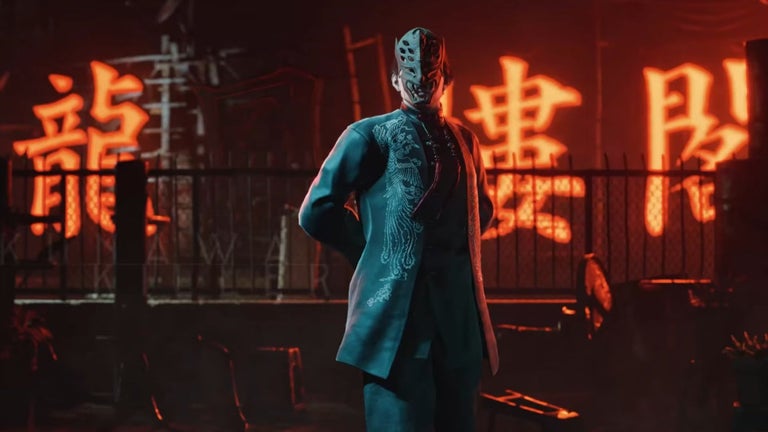
Within the ruined kingdom, visuals blend dark fantasy textures and industrial horror motifs to create a distinct aesthetic. Early reactions singled out audio and world-building as strengths, with soundscapes reinforcing tension in exploration. The world reacts to actions, changing locations and encounters as you progress. Controller support is implemented, including DualShock and DualSense compatibility, so gamepads are fully supported for navigation and combat.
Is it hard to get started and worth replaying?
Onboarding leans toward players familiar with psychological horror rather than newcomers. Multiple endings and the game’s reactive world make initial runs exploratory; progression hinges on careful resource use and puzzle resolution. Replayability comes from branching outcomes and environmental secrets that change with choices. A playable demo on Steam has let the developer iterate with the community, signalling ongoing balance and system adjustments before full launch.
Who should play this debut
The studio’s debut under Ernest Anpilov is best suited to players who appreciate interpretive, patient horror and branching outcomes. However, the game’s deliberate pacing and emphasis on mood mean it favors taste over instant accessibility; those seeking straightforward, action-driven play will likely prefer a different offering. For psychological horror fans interested in an indie take on the genre, it is a distinctive release worth watching.